For decades, the “backyard” was often treated as an afterthought—a patch of grass for the dog, a lonely grill in the corner, and perhaps a swing set. However, a profound shift has occurred in how we perceive our property lines. Today, the most sophisticated homes don’t stop at the backdoor; they flow seamlessly into a curated outdoor environment. Extending your home outside is no longer just about landscaping; it is about architectural continuity, psychological well-being, and maximizing every square foot of your investment.
A well-executed outdoor extension functions as a “living suite” that offers the same comforts as your interior while embracing the sensory benefits of nature. Whether you are looking to create a quiet sanctuary for morning coffee or a high-energy entertainment hub for fifty guests, the transition must be intentional. In this guide, we will explore the deep mechanics of transforming raw outdoor space into a functional, luxurious extension of your home.
Creating a Cohesive Vision
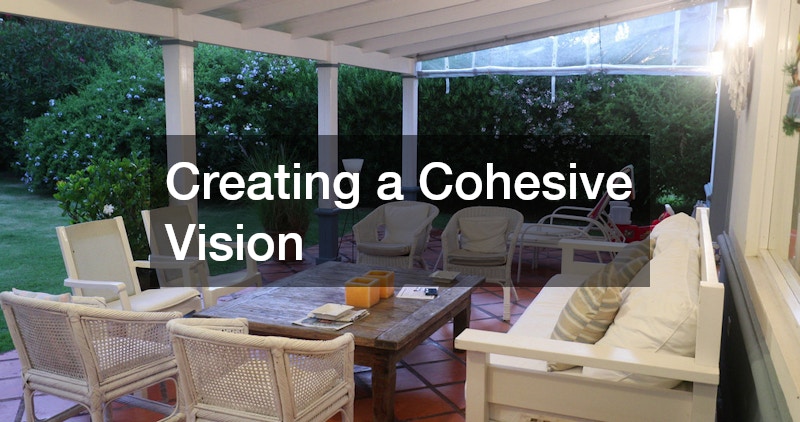
The biggest mistake homeowners make is “piece-mealing” their outdoor space. They buy a grill one year, hire a gardener the next, and put up a shed the year after. This results in a disjointed aesthetic and often leads to structural issues like poor drainage. To truly extend your home, you must treat the outdoor space with the same architectural respect as a kitchen renovation.
When you begin the planning phase, look at your home’s floor plan. Where are the natural exits? A kitchen that opens onto a dining terrace feels like a logical extension, whereas a dining table placed far across the lawn feels like a destination. You should also consider your microclimate. Wind patterns, the arc of the sun, and the “soundscape” of your neighborhood should dictate where you place seating areas versus utility zones.
To ensure your vision is structurally sound, your first call should be to a professional remodeling contractor. While these experts usually work on interiors, a high-end contractor can ensure that the transition points—like sliding glass walls or French doors—are flashed correctly to prevent leaks and that the exterior additions match the load-bearing requirements of the house. Furthermore, for the foundation of your outdoor rooms, you will need to consult with hardscaping services. These specialists handle the “bones” of the yard, such as retaining walls, stone patios, and terracing, ensuring that the ground beneath your feet is level, stable, and drained properly to protect your home’s foundation.
Ground-Level Transitions
Once the plan is in place, you must address the surfaces. The transition from your indoor flooring to your outdoor terrace should be as flush as possible to create that “seamless” infinity look. If your interior features wide-plank oak, you might look for an outdoor porcelain tile that mimics that wood grain to blur the line between inside and out.
Material selection is where durability meets design. You want surfaces that stay cool underfoot in the summer but can withstand the freeze-thaw cycles of winter.
- Natural Stone: Flagstone and slate offer a timeless, organic look but require professional sealing.
- Pavers: Concrete pavers are highly versatile and come in various textures, from ultra-modern smooth finishes to weathered cobblestone.
- Gravel and Aggregates: These are excellent for secondary paths or fire pit zones where drainage is a priority.
Don’t forget the approach to your home. While the backyard is the sanctuary, the front and side yards provide the “welcome.” To ensure a high-end finish, many homeowners utilize asphalt paving services to create sleek, durable driveways that frame the property without distracting from the architecture. Once the “hard” surfaces are set, you will need a steady supply of landscape supplies, including premium mulch, enriched topsoil, and decorative river rocks, to fill the gaps and create the soft, green buffers that make a stone patio feel like a garden room.
Vertical Elements
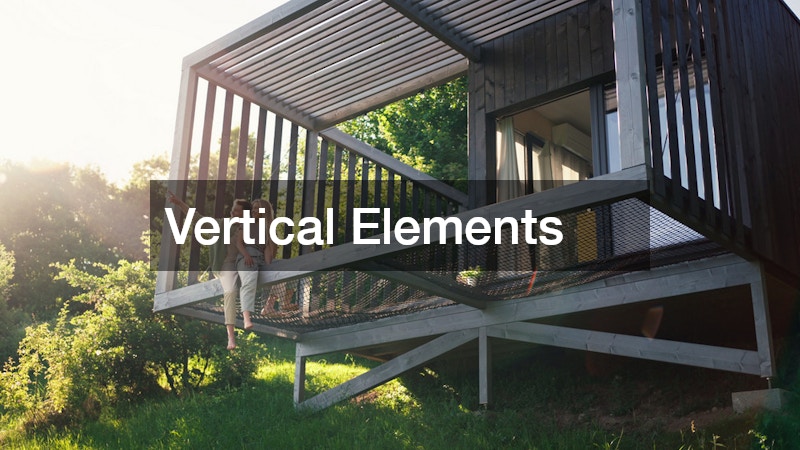
An outdoor room doesn’t feel like a “room” until it has walls. In an outdoor context, walls don’t have to be solid; they can be “living walls” made of arborvitae, decorative screens, or traditional architectural barriers. These vertical elements provide the privacy necessary to make your extension feel intimate.
When selecting your vertical barriers, consider the “envelope” of your existing house. If your home has a specific architectural style, your fencing and outbuildings should reflect that. For example:
- Modern Homes: Benefit from horizontal slat fences with dark metal hardware.
- Colonial or Traditional Homes: Pair well with classic white pickets or stone-pillar enclosures.
- Rustic Styles: Use heavy timber and split-rail designs.
Safety and curb appeal go hand-in-hand here. Investing in professional fence installations ensures that your perimeter is not only beautiful but also compliant with local codes, especially if you have pets or children. Additionally, if your home’s exterior is looking tired, coordinating with siding services can help you refresh the main house while ensuring any new outdoor structures—like a pool house or a detached office—feature matching materials for a unified property look.
Decks and Multi-Level Views
If your property has a significant slope or if your main living area is on the second floor, a deck is the most effective way to extend your square footage. A deck acts as a bridge between the controlled environment of the house and the wilder elements of the garden. Multi-level decks are particularly popular right now, allowing for a “grilling deck” near the kitchen and a “lounging deck” a few steps down.
Modern decking materials have come a long way. While pressure-treated lumber is cost-effective, many homeowners are opting for capped composites or exotic hardwoods like Ipe and Garapa. These materials offer decades of life with minimal maintenance.
It’s a good idea to always include an under-deck drainage system if your deck is elevated. Standard decks allow water to fall through the cracks, leaving the ground below muddy and unusable. By installing a network of troughs and gutters between the joists, you divert rain away from the area beneath. This allows you to finish the “ceiling” of the lower level with recessed lighting, ceiling fans, and high-end outdoor furniture. Effectively, you are doubling your outdoor living area—a sunny lounge above and a cool, dry, shaded grotto below.
Construction of these structures is a specialized skill. You should seek out experienced deck builders who understand the nuances of joist spacing and hidden fastening systems for a clean, screw-free surface finish. Before construction begins, it is also wise to bring in tree services. Professionals can assess the health of nearby oaks or maples to ensure that no heavy limbs threaten your new structure and can prune the canopy to allow just the right amount of dappled sunlight onto your new elevated retreat.
Aquatic Retreats
Nothing defines an outdoor extension quite like the presence of water. Whether it is the meditative sound of a waterfall or the recreational draw of a swimming area, water changes the “vibe” of a home instantly. It serves as a visual anchor, drawing the eye out from the interior windows toward the horizon of the yard.
The design of your water feature should complement your lifestyle. A “spool” (a hybrid of a spa and a small pool) is perfect for urban lots where space is at a premium, providing a place to cool off without dominating the entire yard. For those with more space, a full-scale recreational zone is the gold standard.
When diving into this level of renovation, the logistics become complex. You will likely be looking at in ground pools which require significant excavation, plumbing, and electrical work. To make these areas usable year-round, many homeowners are now integrating patio enclosures. These can range from screened-in lanais that keep the bugs away to sophisticated glass “sunrooms” with retractable roofs that allow you to enjoy your water feature and patio furniture even when the weather turns grey and chilly.
Extending the Seasons

One of the biggest hurdles to extending your home outside is the weather. However, with the right technology, you can make your outdoor “rooms” comfortable for nine to twelve months of the year, depending on your location.
Heat Elements
The fire pit has become the modern hearth. Beyond the traditional wood-burning pit, gas-powered fire tables allow for “instant on” ambiance without the smoke. For more intensive heat, infrared radiant heaters mounted to the ceiling of a porch or pergola can keep a seating area toasty even in 50-degree weather.
Cooling Elements
In the height of summer, shade is your best friend. Moveable umbrellas are a start, but permanent structures like pergolas with motorized louvers are the premium choice. These allow you to flip a switch to block the sun or close the roof entirely during a light rain shower.
Outdoor Kitchens
A true extension of the home includes the ability to cook and dine without constantly running back to the indoor pantry. The modern outdoor kitchen has evolved from a simple grill island into a professional-grade culinary station that rivals many indoor setups. To achieve this, focus on the “Work Triangle” of prep, cook, and clean.
- Advanced Appliances: Beyond a high-BTU gas grill, consider adding a wood-fired pizza oven for social cooking or a ceramic kamado-style grill for slow smoking. Built-in power burners are also essential for boiling corn or preparing sauces without occupying grill space.
- The Cleaning Zone: An outdoor-rated dishwasher and a deep farmhouse sink with a pull-down sprayer make cleanup a breeze, ensuring that the “mess” of a dinner party stays outside.
- Refrigeration and Beverage Service: Integration of weather-proof beverage centers, kegerators, and ice makers allows you to act as a bartender and host simultaneously.
- Storage and Durability: Utilize marine-grade stainless steel cabinetry or high-density polyethylene (HDPE) inserts. These materials resist rust, pests, and humidity, keeping your outdoor plates and tools clean and ready for use at a moment’s notice.
Lighting and Atmosphere
Your outdoor extension shouldn’t disappear when the sun goes down. In fact, many people find their outdoor spaces most magical at night. The key to successful outdoor lighting is “layering.” You want to avoid the “stadium light” effect of a single bright floodlight.
- Path Lighting: Low-voltage LED lights along walkways ensure safety and define the edges of your “rooms.”
- Up-lighting: Placing lights at the base of architectural trees or stone walls creates drama and depth.
- Task Lighting: Focused, bright lights over the grill or the dining table where you need to see what you are doing.
- Ambient Lighting: String lights (Edison bulbs) or “moonlighting” (lights placed high in trees shining downward) create a soft, romantic glow.
Smart home integration is now standard for outdoor lighting. You can program your “Evening Lounge” scene to dim the lights to 30%, turn on the water feature, and start your outdoor speakers with a single voice command.
Protecting Your Investment
A 3,000-word vision is only as good as its upkeep. Because outdoor spaces are exposed to the elements, they require a different maintenance cadence than your interior.
- Spring Cleaning: Power wash stone surfaces, check deck boards for pops or cracks, and clear out drainage grates.
- Irrigation: If you have integrated planters or a lawn, ensure your “smart” irrigation system is calibrated to the season to prevent overwatering and rot.
- Furniture Care: Even “weatherproof” furniture lasts longer if it is covered during the harshest months or if cushions are stored in a dry “deck box.”
The goal of maintenance is to ensure that the transition between your pristine interior and your outdoor space remains high-contrast in beauty but low-friction in effort. By choosing high-quality materials and professional installers from the start, you reduce the “to-do” list significantly.
The Horizon of Your Home

Extending your home into the outdoors is an exercise in imagination and engineering. It is about breaking down the barriers of four walls and acknowledging that your “living space” is defined by your property line, not your siding. When you approach the project with a master plan, focus on high-quality transitions, and prioritize comfort through all four seasons, you create more than just a yard—you create a sanctuary.
This process takes time, and it often requires a team of experts to execute properly. However, the result is a home that feels twice as large and infinitely more connected to the world around it. As you sit in your new outdoor suite, watching the sunset with all the comforts of your living room at your fingertips, you’ll realize that the best part of your house was actually waiting for you just outside the door.