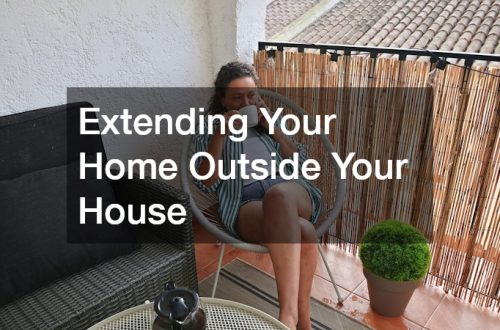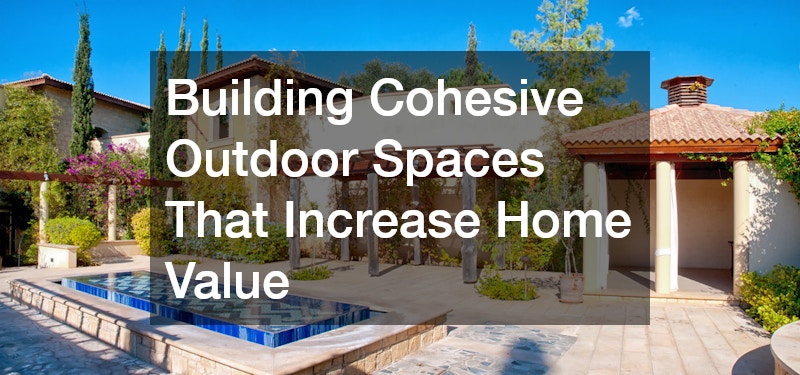
A backyard that feels disjointed, with a random patio slab here and a lonely tree there, rarely adds much to your home’s value or your quality of life. The most valuable outdoor spaces feel intentional, like an extension of the home itself, with each element working together toward a unified look. If you’re trying to figure out how to transform a patchwork yard into a space buyers and appraisers will notice, this guide breaks down the key pieces that make outdoor areas cohesive, functional, and worth the investment. Whether you’re planning a small refresh or a full backyard overhaul, understanding how these elements fit together will help you avoid costly missteps.
Starting With a Master Plan for Your Yard
Before buying a single plant or paver, take time to sketch out how you want your outdoor space to function. Think about how people will move between the driveway, patio, garden beds, and any structures like a shed or pool area. A cohesive plan considers sightlines, sun exposure, and traffic patterns so that every feature complements the next instead of competing for attention.
This is also where hardscaping decisions come into play, since the hard surfaces and structural elements form the skeleton of your entire design. Walkways, retaining walls, and seating walls should be planned early because they influence drainage, grading, and where softer elements like plantings can go later. Getting this foundational layer right prevents expensive rework down the road and creates a natural flow throughout the property.
- Map out primary use zones such as dining, lounging, and play areas before finalizing materials
- Consider how water drains across the yard to avoid pooling near structures
- Match the style of hard surfaces to your home’s architecture for a unified look
- Leave room in the plan for future additions like a fire pit or pergola
Creating Defined Living Areas With a Patio
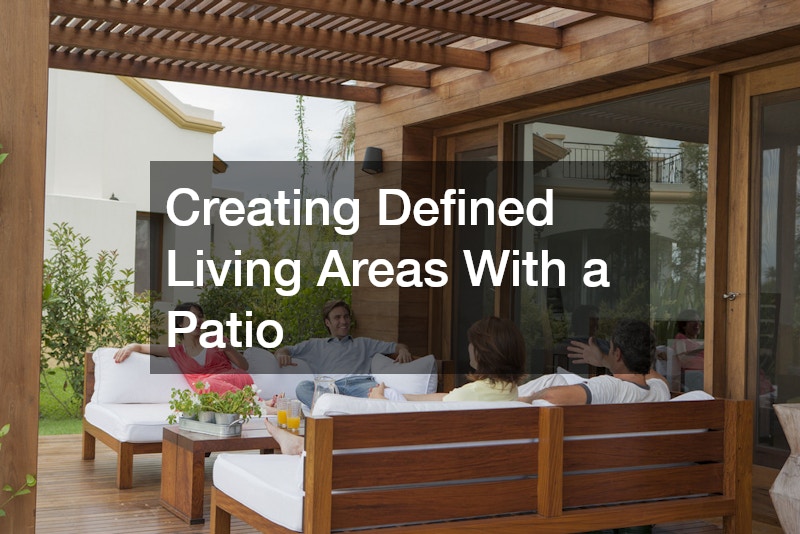
A patio often serves as the anchor of an outdoor living space, giving structure to areas that might otherwise feel like empty grass. Choosing the right material, whether it’s natural stone, brick, or concrete pavers, has a big impact on both appearance and long-term durability. Working with an experienced paver patio installer ensures the base is properly compacted and sloped, which prevents shifting, cracking, and drainage problems years down the line.
Beyond durability, a well-installed patio creates a visual transition between the house and the rest of the yard, making the whole property feel more connected. Homeowners often underestimate how much a patio’s shape and placement affect the usability of surrounding space. A rectangular patio near sliding doors, for example, tends to flow more naturally into a dining or lounge setup than an oddly angled one tucked in a corner.
- Ask about base preparation, including gravel depth and compaction methods
- Compare paver styles for slip resistance if the patio will be near a pool
- Consider permeable pavers in areas with heavy rainfall or poor drainage
- Plan patio size around actual furniture dimensions, not just guesswork
Adding a Deck for Elevated Outdoor Living
For yards with slopes, uneven grading, or a desire for a more elevated view, a deck can be a better fit than a ground-level patio. A skilled deck builder can help you decide between materials like pressure-treated wood, cedar, or composite boards, each with different maintenance needs and lifespans. Composite decking, while pricier upfront, tends to resist warping and fading better than traditional wood, which can matter a lot for long-term appearance.
A deck also gives you the chance to add built-in features like benches, planters, or lighting recesses that tie directly into the rest of your outdoor design. Height and railing style should match the home’s overall aesthetic so the structure looks like it belongs rather than feels tacked on. Proper footings and load calculations are essential, especially if you plan to add a hot tub or heavy furniture on top of the deck later.
- Ask about local permit requirements before construction begins
- Compare warranty terms between wood and composite decking options
- Consider railing materials that allow unobstructed views if privacy isn’t a concern
- Factor in future maintenance time when choosing decking material
Establishing Privacy and Boundaries
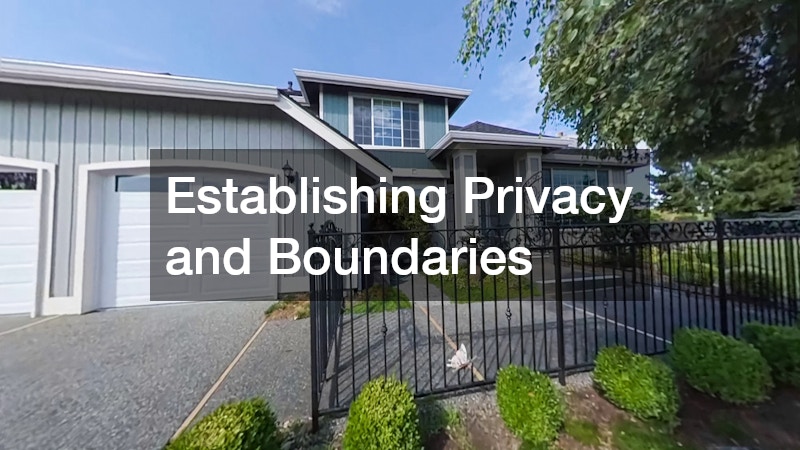
Privacy is one of the most requested features in outdoor renovations, and it plays a major role in how usable and relaxing a space feels. Well-planned fencing does more than mark property lines; it can frame garden beds, hide utility areas, and create a sense of enclosure that makes an outdoor room feel complete. Materials range from classic wood to vinyl and metal, each offering different levels of privacy, maintenance, and cost.
Height and placement matter just as much as material choice. A fence that’s too tall can make a small yard feel closed in, while one that’s too short won’t offer the privacy or noise buffering many homeowners want. It’s worth checking local ordinances on fence height and setback requirements before finalizing your design, since violations can lead to costly adjustments later.
- Choose materials based on your climate, since humidity and freeze-thaw cycles affect longevity
- Consider decorative fencing near entertaining areas and simpler styles along utility zones
- Factor in gate placement for easy access to trash bins, gardens, or side yards
- Check with neighbors on shared boundary lines before installation begins
Illuminating Your Outdoor Space
Lighting extends the usability of your yard well past sunset and adds a layer of polish that daytime features alone can’t provide. Pathway lights, uplighting on trees, and string lights over seating areas all contribute to a cohesive nighttime atmosphere. Hiring professional outdoor lighting installers can help you avoid common mistakes like harsh glare, uneven coverage, or wiring that isn’t rated for outdoor exposure.
Layering different types of light sources tends to produce the most attractive results. Combining low-level path lighting with accent lighting on architectural features or trees creates depth rather than a flat, uniformly lit yard. Smart lighting systems that allow scheduling or remote control have also become popular for both convenience and energy savings.
- Use warm-toned bulbs for a cozier feel compared to cool white options
- Add motion-sensor lighting near entry points for security
- Highlight water features or specimen trees with focused accent lighting
- Choose fixtures rated for wet or damp locations depending on placement
Choosing the Right Plants and Trees
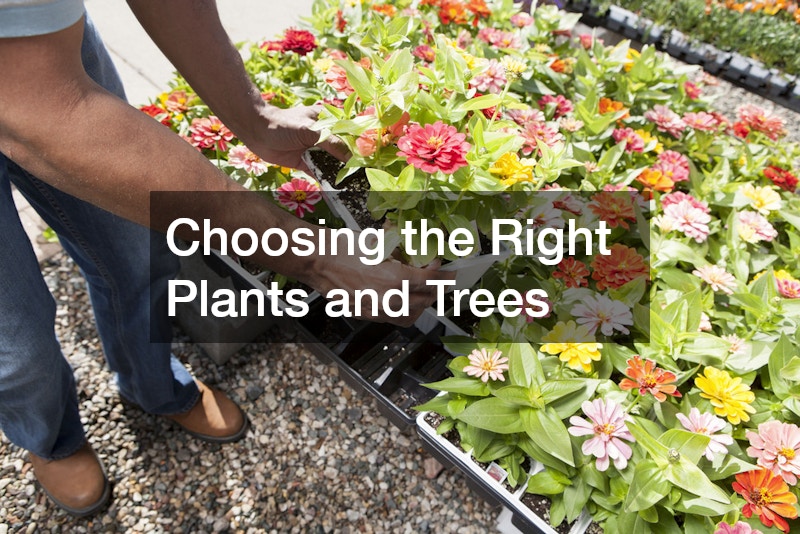
Greenery softens hardscaped areas and ties the built elements of your yard together with the natural landscape. Selecting the right species for your climate and soil type matters more than picking whatever looks appealing at first glance. A reputable tree nursery can guide you toward species that will thrive in your specific region, mature to an appropriate size, and avoid invasive root systems near foundations or pipes.
Beyond individual plant choices, the overall layout of your beds, borders, and lawn areas should feel intentional rather than scattered. Many homeowners find it helpful to consult a local landscaping company for a cohesive planting plan that considers seasonal color, mature plant sizing, and maintenance needs. This kind of professional input can prevent the common problem of overcrowded beds within just a few years of installation.
- Group plants with similar water needs together to simplify irrigation
- Choose native species when possible for easier long-term care
- Plan for mature plant size, not just how it looks at planting time
- Stagger bloom times for color throughout multiple seasons
Incorporating Water Features Safely
Pools and hot tubs are major value-adds when they’re properly integrated into the rest of the yard rather than standing apart as isolated features. Keeping pool equipment well-maintained and housed in an attractive, accessible enclosure helps the whole area look tidier and more finished. Pumps, filters, and heaters should be positioned for easy technician access while staying visually tucked away from main entertaining zones.
A hot tub can serve as a relaxing focal point, especially when it’s built into a deck or patio rather than placed awkwardly on its own. Routine hot tub services, including water balancing and filter cleaning, keep the unit running efficiently and extend its lifespan significantly. Planning electrical and plumbing access points early avoids the need for disruptive retrofits after your hardscaping is already complete.
- Screen mechanical equipment with fencing, plantings, or a small structure
- Schedule seasonal service checks to catch small issues before they become expensive repairs
- Consider proximity to the house for convenient access during colder months
- Check local codes regarding barriers and safety covers for pools and spas
Furnishing Your Outdoor Rooms
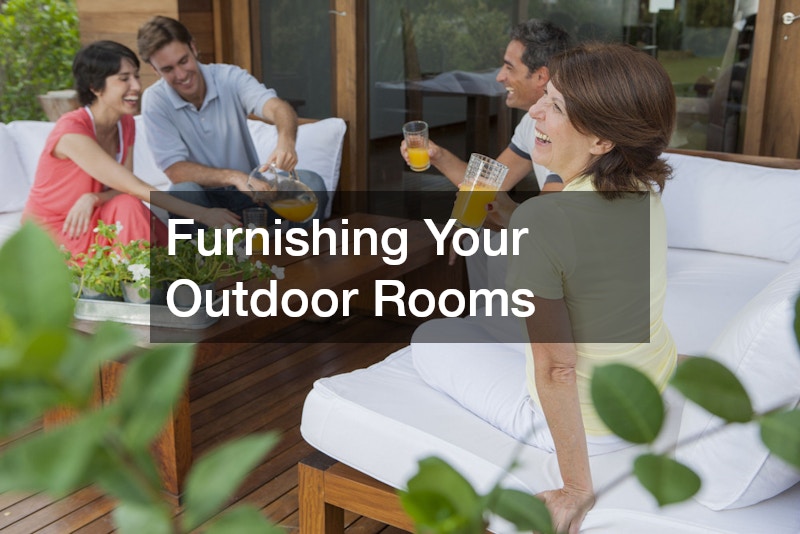
Furniture is what turns a well-built patio or deck into a genuinely usable living space. Weather-resistant materials like teak, aluminum, and treated wicker tend to hold up better against sun and moisture than standard indoor pieces. Since quality outdoor furniture can be a significant expense, some homeowners choose to work with a rent to own furniture store to furnish a space gradually without a high upfront cost.
Scale and arrangement matter just as much as material selection. Oversized furniture can overwhelm a small patio, while undersized pieces can make a large deck feel sparse and unfinished. Measuring your space and planning traffic flow before purchasing helps ensure the finished area feels balanced and comfortable rather than cramped or awkward.
- Choose cushions and fabrics rated for UV and moisture resistance
- Leave at least three feet of walking space around seating areas
- Mix functional pieces like storage benches with purely decorative accents
- Consider modular furniture for flexibility as your needs change
Tying It All Together for Lasting Value
The real key to a cohesive outdoor space isn’t any single feature but how well all the pieces relate to one another. Repeating materials, colors, or design lines across your patio, fencing, and plant beds creates a sense of unity that potential buyers notice immediately. For example, echoing the same stone veneer used on a fireplace surround along a low retaining wall, or choosing fencing that shares a wood tone with your deck railing, signals that the whole yard was planned rather than assembled piecemeal.
Even small details, like matching hardware finishes or consistent lighting temperature, contribute to that polished, intentional feel. Stick to a single metal finish (matte black, bronze, or brushed nickel) for gate latches, light fixtures, and house numbers, and keep all outdoor bulbs within the same warm-white range, typically 2700K to 3000K. These choices cost little to plan upfront but read as sloppy and disjointed when overlooked.
It also helps to limit your overall material and color palette to two or three complementary options before you start buying anything. A simple rule of thumb: one primary hardscape material, one accent material, and one consistent plant color scheme will keep the space feeling curated rather than cluttered. When every element, from the fencing to the flowerbeds, speaks the same visual language, appraisers and buyers alike perceive the upgrade as a genuine investment rather than a random assortment of improvements.
Regular upkeep also plays a role in preserving both the appearance and the value of your investment over time. Seasonal tasks like resealing pavers every one to two years, trimming overgrown shrubs before they crowd walkways, and checking mechanical systems such as irrigation lines, outdoor lighting, and pool equipment keep everything looking as good as the day it was installed. Small habits, like clearing gutters before fall rains or touching up faded stain on a deck, prevent minor issues from becoming costly repairs.
It also helps to keep a simple maintenance log noting when features were installed, serviced, or replaced. This record reassures potential buyers that systems are current and gives you leverage during negotiations, since documented care often translates into a stronger appraisal.
A yard that’s maintained consistently signals to future buyers that the entire property has been well cared for, not just the interior. Neglected landscaping or cracked hardscaping, by contrast, can make an otherwise updated home feel unfinished, undercutting the very value these outdoor improvements were meant to create.
- Repeat two or three key materials (like a specific stone, wood tone, or metal finish) throughout the yard — patio, fencing, planters — to create visual consistency
- Schedule annual walkthroughs, ideally each spring, to catch maintenance issues like cracked pavers, loose fasteners, or drainage problems early
- Keep a simple record of installation dates and warranties for major features such as decks, pergolas, and outdoor kitchens, so you can plan replacements and file claims when needed
- Set a realistic lifespan expectation for each feature (decking: 15-20 years, sealants: 2-3 years) to budget for upkeep ahead of time
- Update worn elements promptly, whether that’s staining a fence or replacing faded cushions, to avoid a mismatched, dated look
- Revisit your overall color palette and style every few years to ensure new additions still feel cohesive with the original design
Building a cohesive outdoor space is less about chasing trends and more about making thoughtful decisions that work together over the long run. Start with a clear plan, invest in durable materials and professional installation where it matters most, and layer in the finishing touches like lighting, plants, and furniture gradually. Taking this structured approach not only creates a yard you’ll enjoy every day but also builds real, lasting value into your home. The next step is simply to walk your own property with fresh eyes and identify which of these elements would make the biggest difference first.