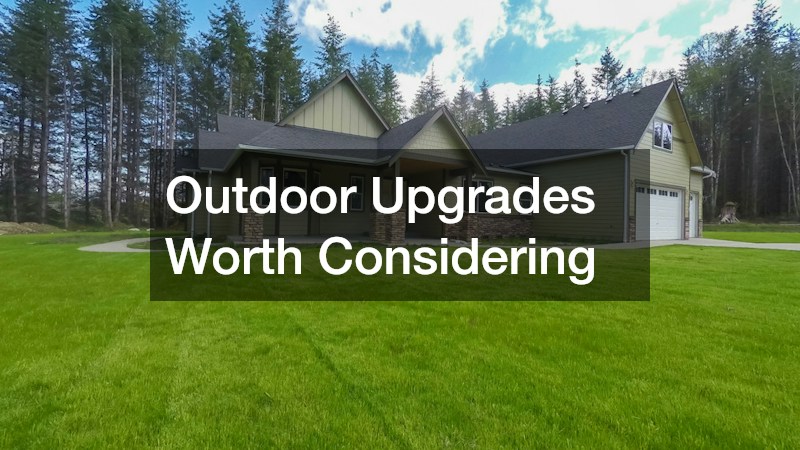
Your outdoor space can serve as an extension of your home, providing room to relax, entertain guests, spend time with family, or simply enjoy being outside. However, an outdoor area doesn’t always function as well as homeowners would like. An overgrown garden, worn lawn, limited seating area, or lack of usable lighting can make it harder to get the most from the property. Thoughtful improvements can help address these concerns while creating a more comfortable and attractive setting.
Before starting an outdoor project, it’s helpful to think about both immediate needs and long-term maintenance. Certain improvements require ongoing care, while others can provide useful features with relatively little upkeep. Planning each element as part of the overall property can help create an outdoor space that feels cohesive and works well for everyday use.
Keep Your Garden Healthy and Well Maintained
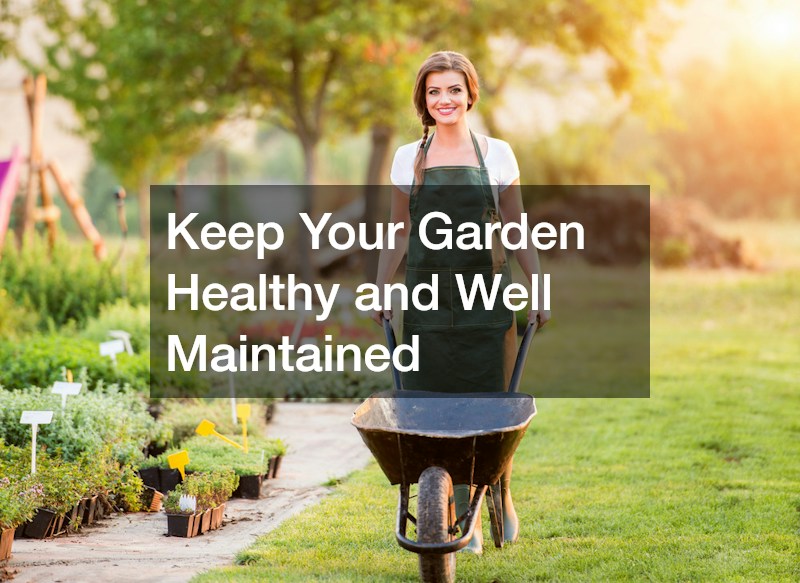
Gardens can add color, texture, and visual interest to an outdoor space. Flower beds, shrubs, ornamental plants, and other greenery can make a yard feel more inviting while creating distinct areas throughout the property.
A garden service can help homeowners maintain planted areas and address tasks that become difficult to keep up with. Depending on the property, services can include planting, pruning, weeding, mulching, soil care, and other forms of garden maintenance.
Regular attention is important because plants have different growing requirements. Some need more sunlight, while others perform better in shaded areas. Watering needs can also vary based on plant type, soil conditions, and seasonal weather.
Garden improvements should also account for the mature size of plants. Choosing plants based only on their current size can result in overcrowding as they grow. Providing adequate space can help plants develop properly while reducing the need for frequent removal or relocation.
Mulch can also contribute to the appearance and condition of planting beds. It can help retain moisture, reduce weed growth, and create a finished appearance around plants. Homeowners should choose materials that complement the rest of the property and suit the needs of the garden.
Create a More Comfortable Outdoor Living Area
An outdoor living area can provide additional space for relaxing, dining, and entertaining. However, exposure to sun, rain, wind, and changing temperatures can sometimes limit how often homeowners use an uncovered patio or deck.
An enclosed patio can create a more sheltered environment while still allowing homeowners to enjoy the outdoor setting. Depending on the design, an enclosed area can provide protection from insects, precipitation, and excessive sunlight.
The enclosure can also make the space more versatile. Homeowners might use it as a dining area, sitting area, reading space, or place for entertaining guests. Furniture and other features can be selected based on how the space will be used most often.
Lighting, ventilation, and access are important considerations when planning an enclosed outdoor area. Windows or screens can help provide airflow, while appropriate lighting can make the space more useful in the evening.
Homeowners should also think about how the enclosure will connect with the rest of the property. Coordinating materials, colors, and architectural features with the existing home can create a more cohesive appearance.
Maintain the Health and Condition of Your Trees
Trees can provide shade, privacy, visual interest, and habitat for wildlife. They can also become a significant maintenance responsibility, particularly when branches grow too close to structures, utility lines, driveways, or other parts of the property.
Professional tree service can address a variety of needs involving trees throughout a yard. Depending on the condition of the trees, services can include pruning, removal, stump work, and evaluations of damaged or potentially hazardous trees.
Regular attention can help homeowners identify trees that have dead, damaged, or unstable branches. Trees can also be affected by disease, pests, storms, and other environmental conditions.
Location is another important consideration. A tree that grows close to a house, fence, driveway, or utility line can require careful management as it becomes larger. Addressing potential conflicts early can make future maintenance more manageable.
Homeowners should also consider the overall appearance of their property when planning tree work. Removing or pruning one tree can affect the amount of shade and sunlight available to nearby plants, lawns, and outdoor living areas.
Keep Trees Healthy and Properly Shaped
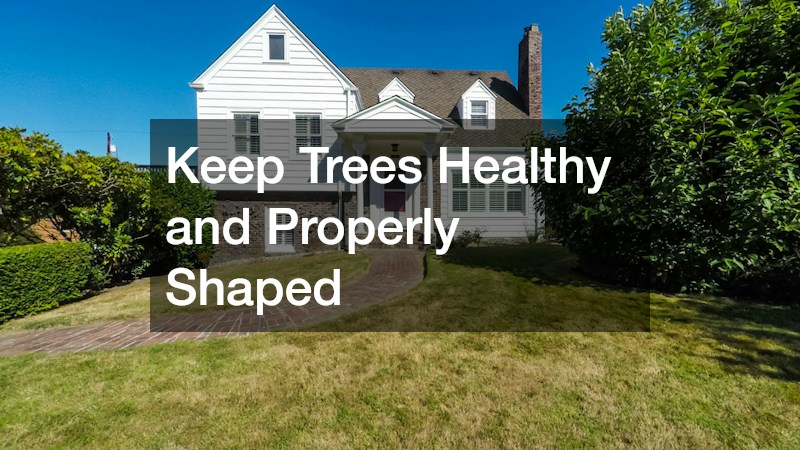
Tree growth isn’t always uniform. Branches can become crowded, extend into unwanted areas, or develop uneven shapes as a tree matures. Regular pruning can help maintain a tree’s structure while addressing branches that interfere with nearby property features.
Tree trimming can involve removing dead, damaged, or poorly positioned branches. The appropriate approach depends on the type of tree, its age, its condition, and the location of the branches.
Timing can also matter. Different trees have different growth patterns and pruning requirements, so homeowners should consider the characteristics of the specific trees on their property.
Overgrown branches can create concerns when they extend toward roofs, siding, walkways, or utility lines. Keeping growth under control can help maintain clearance around these areas and preserve access through the yard.
Tree trimming can also contribute to the overall appearance of an outdoor space. Properly maintained trees can provide a more balanced appearance while allowing homeowners to preserve desirable shade and natural features.
Because larger branches can be heavy and difficult to handle safely, homeowners should consider professional assistance for substantial pruning projects. Professionals can assess the tree and determine which branches should be addressed.
Add a Pool to Your Outdoor Space
A swimming pool can become a central feature of an outdoor living area. It can provide space for recreation, exercise, relaxation, and gatherings during warmer months.
A pool contractor can help homeowners plan and build a pool based on the property’s layout, available space, and intended use. Pool projects involve more than selecting a shape and size, so careful planning is important before construction begins.
Homeowners should consider access to the pool from the house, surrounding surfaces, drainage, fencing, landscaping, and equipment areas. These features can affect how the pool fits into the rest of the property.
The size of the pool should also be appropriate for the available yard. Leaving enough surrounding space can make it easier to move around the pool and accommodate seating, landscaping, or other outdoor features.
Maintenance should be considered during the planning stage as well. Filtration equipment, cleaning, water treatment, and seasonal care can all contribute to the ongoing responsibilities associated with pool ownership.
A well-planned pool can become an integrated part of the outdoor space rather than an isolated feature. Considering the pool alongside patios, landscaping, lighting, and other improvements can create a more cohesive yard.
Create a Dedicated Space for Swimming at Home
An in ground swimming pool can provide a permanent recreational feature that blends with the surrounding landscape. Unlike temporary or above-ground options, an in-ground design can be incorporated into the property’s overall layout.
Homeowners have many design considerations to evaluate, including pool shape, depth, surrounding surfaces, entry points, and placement. The available yard space and existing property features can influence which options are practical.
The area around the pool can be just as important as the pool itself. A surrounding patio can provide space for chairs, tables, umbrellas, and other outdoor furnishings. Landscaping can also soften the transition between the pool and the rest of the yard.
Safety features should be incorporated into the overall plan. Appropriate barriers, access controls, and other safety measures can help create a more controlled environment around the pool.
Lighting can also extend the usability of the area into the evening. Pool lighting and surrounding landscape lighting can improve visibility while contributing to the atmosphere of the outdoor space.
Homeowners should consider maintenance access when planning the pool as well. Equipment should be positioned where it can be reached for routine service without disrupting the rest of the yard.
Improve Your Outdoor Space With Better Lighting
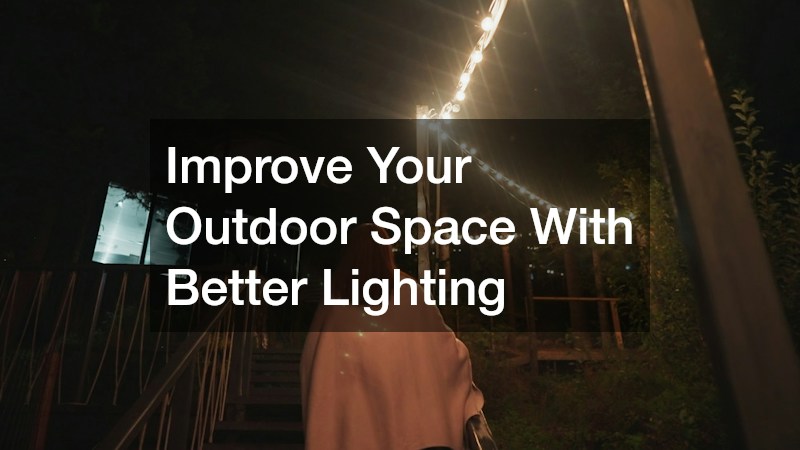
Outdoor lighting can make a yard more useful after sunset while improving visibility around pathways, entrances, patios, and other areas. Lighting can also highlight landscaping features and create a more inviting atmosphere.
An electrician can help homeowners plan and install electrical components for outdoor lighting and other exterior features. Professional installation can be particularly important when new wiring, outlets, or other electrical connections are required.
Different areas of a yard can benefit from different types of lighting. Pathway lights can help illuminate walkways, while brighter fixtures can provide visibility around entrances and activity areas. Accent lighting can draw attention to trees, planting beds, architectural features, or other focal points.
Outdoor electrical equipment also needs to be appropriate for exterior conditions. Fixtures, connections, and other components should be selected and installed with exposure to moisture and weather in mind.
Homeowners can also consider how lighting affects neighboring areas. Proper placement can provide useful illumination without creating excessive glare or shining directly into windows.
A thoughtful lighting plan can combine practical and decorative elements. By considering how the yard is used at different times of day, homeowners can determine which areas need illumination and how much light each space requires.
Add Structure and Function to Your Yard
Hard surfaces can provide important structure within an outdoor space. Patios, walkways, retaining walls, seating areas, and other features can define different sections of a yard while making the property easier to use.
Hardscaping services can help homeowners incorporate these features into an overall outdoor plan. Materials can include concrete, pavers, stone, brick, and other surfaces selected according to the property’s design and intended use.
A walkway can create a clear route between the house and other areas of the yard. A patio can provide a defined location for outdoor furniture, dining, or entertaining. Retaining walls can also help manage changes in elevation while creating additional planting areas.
Drainage should be considered whenever hard surfaces are added. Water needs a suitable path away from structures and other areas where it could create problems.
The scale of hardscaping features should also complement the property. Oversized patios or walkways can dominate a smaller yard, while undersized features might not provide enough usable space for the intended purpose.
Coordinating hardscaping materials with the home’s exterior and existing landscaping can create a consistent appearance. The goal is to make these features feel like part of the property rather than separate additions.
Plan an Outdoor Space That Fits Your Property
Outdoor improvements are easier to coordinate when homeowners consider the entire property rather than planning each feature separately. The placement of trees, gardens, patios, pools, walkways, and lawn areas can influence how the finished space looks and functions.
Landscape design can help organize these different elements into a cohesive plan. A design can account for property size, existing vegetation, sunlight, drainage, outdoor activities, and maintenance requirements.
Homeowners should start by identifying how they want to use the space. Someone who enjoys entertaining might need a larger patio and convenient access to the kitchen, while a homeowner focused on gardening could prioritize planting areas and pathways.
Sunlight and shade should also be considered. Trees and structures can affect which parts of the yard receive direct sunlight throughout the day. Plant selections and outdoor seating areas can be positioned accordingly.
Drainage is another important part of outdoor planning. Water should be directed away from the home and managed appropriately throughout the property. Poor drainage can affect lawns, gardens, hard surfaces, and foundations.
Planning for future growth can also help. Trees and plants will change as they mature, while outdoor structures and recreational features can affect how much open space remains. Thinking about these changes in advance can help homeowners create an outdoor area that remains functional over time.
Keep Your Lawn Looking Healthy and Well Maintained
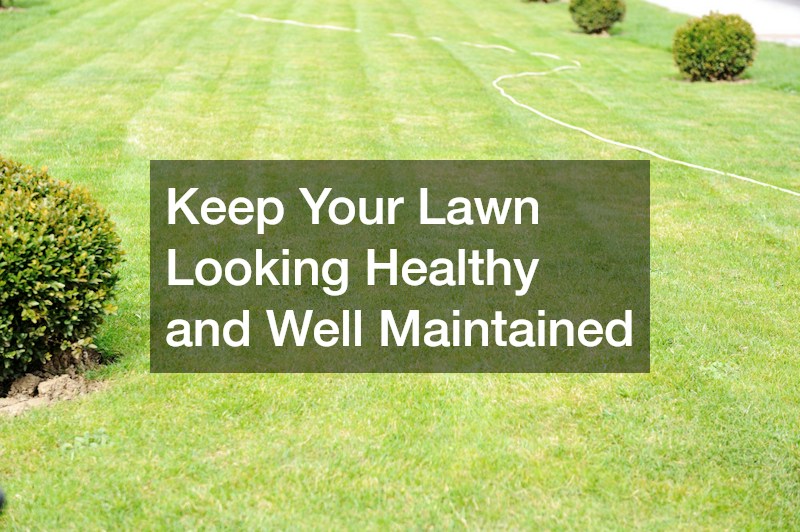
A healthy lawn can provide a simple, attractive foundation for an outdoor space. It creates open areas for recreation while connecting gardens, trees, patios, and other landscape features.
Lawn care companies can provide services designed to maintain grass throughout the growing season. Depending on the property and service plan, these tasks can include mowing, fertilization, weed management, aeration, seeding, and other lawn maintenance.
Grass has different needs depending on the climate, soil conditions, grass type, and season. Providing appropriate care at the right time can help support healthy growth while reducing common lawn problems.
Water management is also important. Both too much and too little water can affect grass health. Homeowners should pay attention to drainage and irrigation patterns to identify areas that consistently remain too wet or dry.
Bare or thinning areas can also affect the overall appearance of a yard. These areas can result from foot traffic, shade, pests, soil conditions, or other factors. Identifying the cause can help determine how the affected area should be addressed.
A well-maintained lawn can make other outdoor improvements more noticeable. When grass, trees, planting beds, hardscaping, and outdoor living areas are maintained together, the entire property can have a more cohesive appearance.
The overall layout of the property should also guide improvement decisions. Combining different features into a coordinated plan can help avoid overcrowding and make better use of available space. Trees, gardens, lawns, patios, pools, and walkways should complement rather than compete with one another.
Before beginning an outdoor project, consider how you currently use the space and how you want to use it in the future. Think about maintenance, drainage, access, lighting, available space, and the relationship between new features and your existing home. With thoughtful planning and professional assistance where appropriate, outdoor upgrades can help create a more functional, comfortable, and enjoyable space for everyday living.


